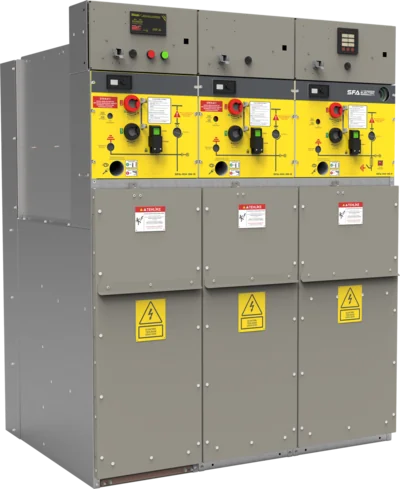
Documented range
Gas-insulated compact RMUs
Compact ring-distribution configurations; define switching and protection duties.
Published rated voltages: 12 / 24 / 36 kV. Reference catalogue uses SF6 technology.

East Africa and the Indian Ocean
Kenya’s tea and coffee processing, dairy production and horticultural cold chains provide distinct industrial settings. Their electrical installations combine process loads, motors, refrigeration and auxiliaries according to the operation. An enquiry may cover a complete MV connection or an extension to existing internal distribution. Transformer, switchgear, cable and board selection begins with the site capacity, the connection voltage proposed by Kenya Power and the equipment that needs to keep operating.
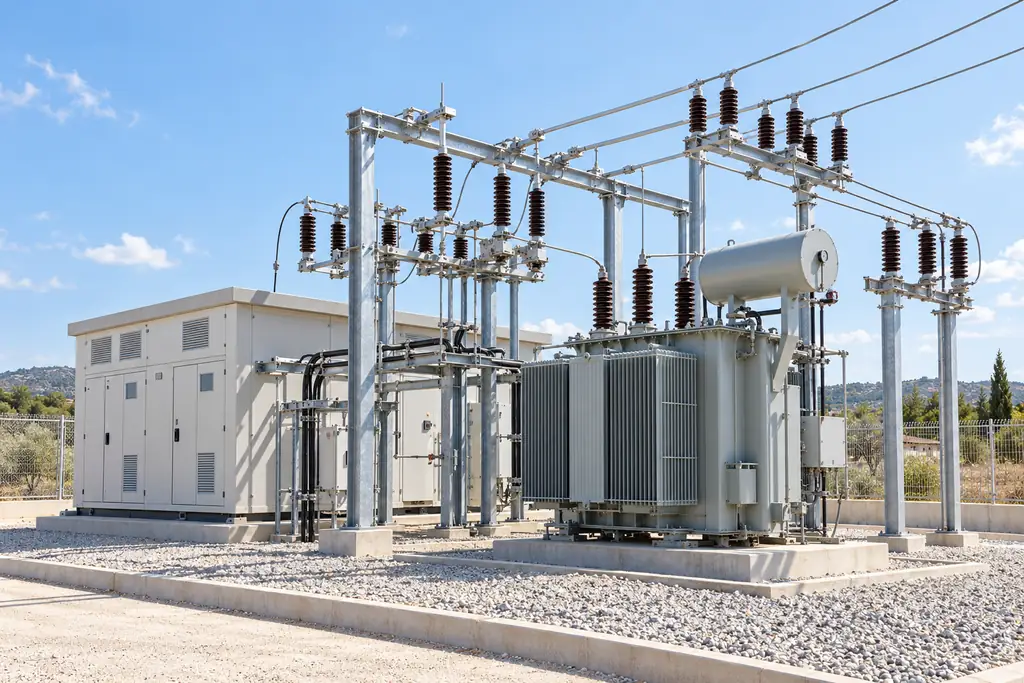
Documented voltage levels
11 / 33 kVNetwork counterpart
Kenya Power and Lighting Company — Kenya PowerKenya Power’s 2020/21 network tables record 11 and 33 kV distribution lines and corresponding transformers. The March 2024 national distribution code also refers to HV/11 kV, HV/33 kV and 33/11 kV substations. These levels are documented, while an individual customer connection remains defined with the operator. Equipment selection must distinguish network nominal voltage from equipment rated voltage and account for the particular feeder supplying the installation.
The reference catalogue includes AIS and RMU classes 12, 24 and 36 kV, and AIS up to 40.5 kV. For nominal 30 or 33 kV networks, examine the 36 kV option against maximum voltage, insulation, current and fault constraints. A 24 kV class does not cover a nominal 30 kV network; 36 kV does not cover 66 kV. Cable U0/U/Um markings require separate validation.
EquipmentKenya Ports Authority presents Mombasa as a gateway to Kenya and East and Central Africa. For transformer or switchgear delivery, the logistics plan should identify the receiving terminal and final inland destination. An industrial site near Mombasa, a Nairobi-area building and a processing unit further inland need different preparations. Assembly dimensions, unloading equipment and access to the electrical room help determine transport arrangements through to the construction site.
Configurations are adapted from the Imperium catalogue verified for this version. Confirm the actual reference, documents and availability in the offer; local approval is not automatic.
Documented range
Compact ring-distribution configurations; define switching and protection duties.
Published rated voltages: 12 / 24 / 36 kV. Reference catalogue uses SF6 technology.
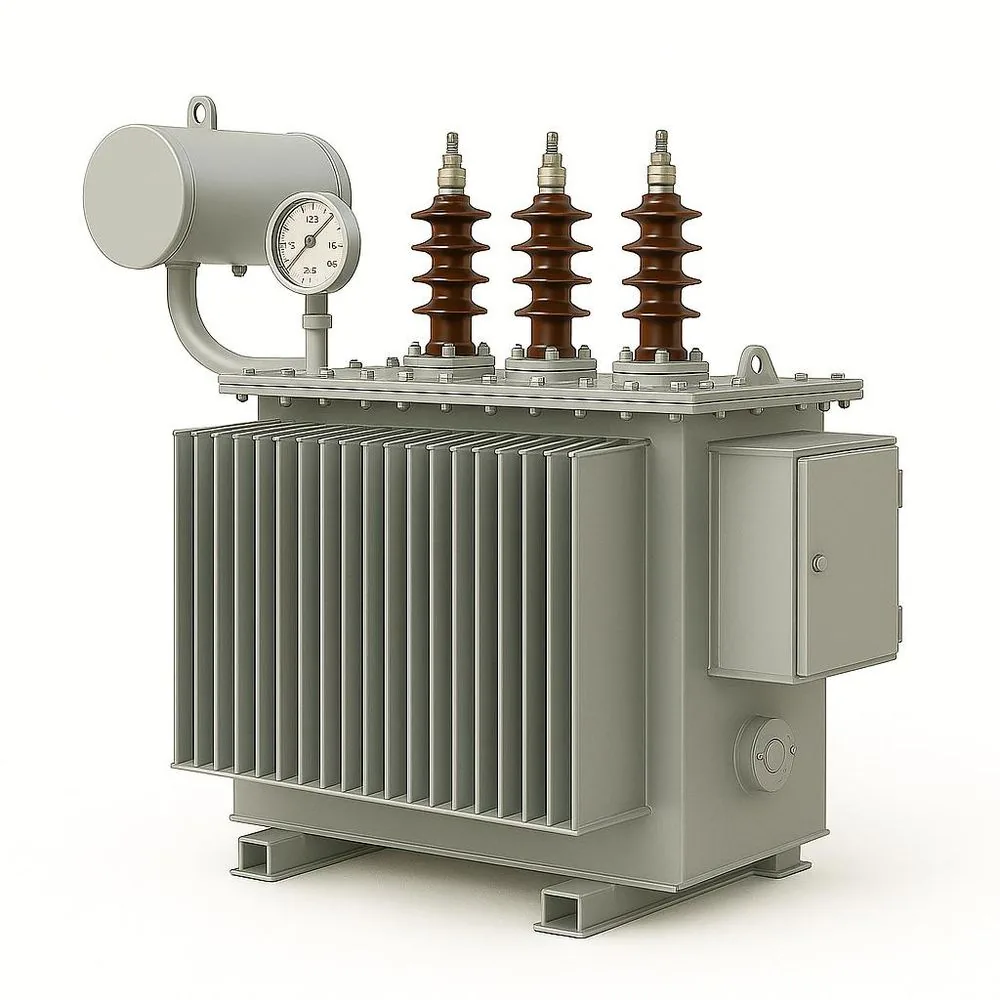
Documented range
MV/LV transformation with liquid insulation and cooling; project-specific connections and siting.
Published range: 25–2,500 kVA; primary 3.3–36 kV. Agree actual model values.
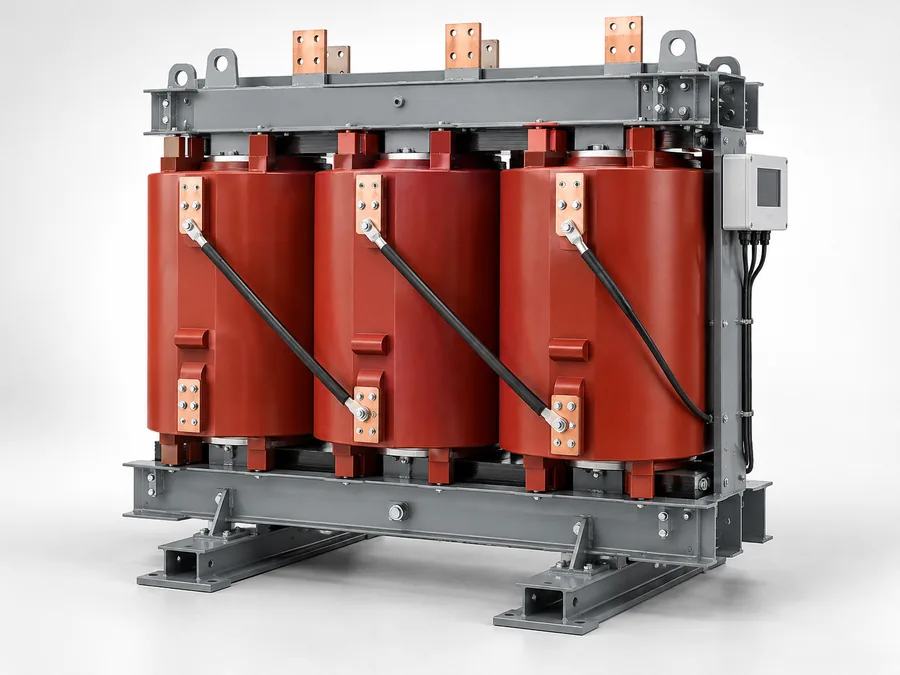
Documented range
A transformation option to assess against room conditions, ventilation and safety requirements.
Published range: 100–3,150 kVA; primary 3.3–36 kV.
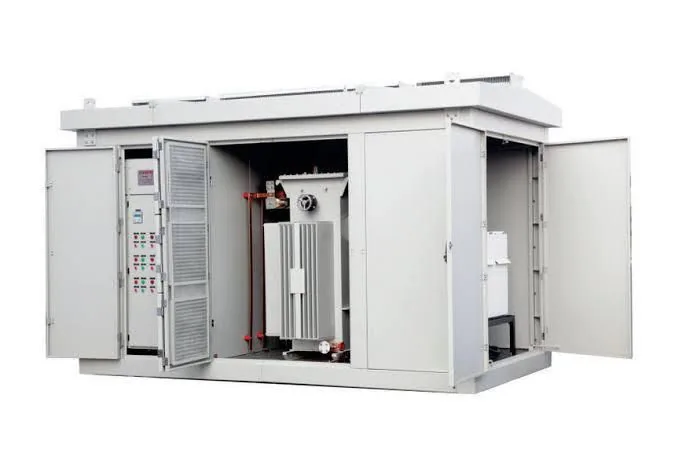
Documented range
MV compartment, transformer and LV distribution in one assembly; coordinate civil and electrical interfaces.
Published MV classes: 12 / 24 / 36 kV; transformer 100–2,500 kVA depending on configuration.
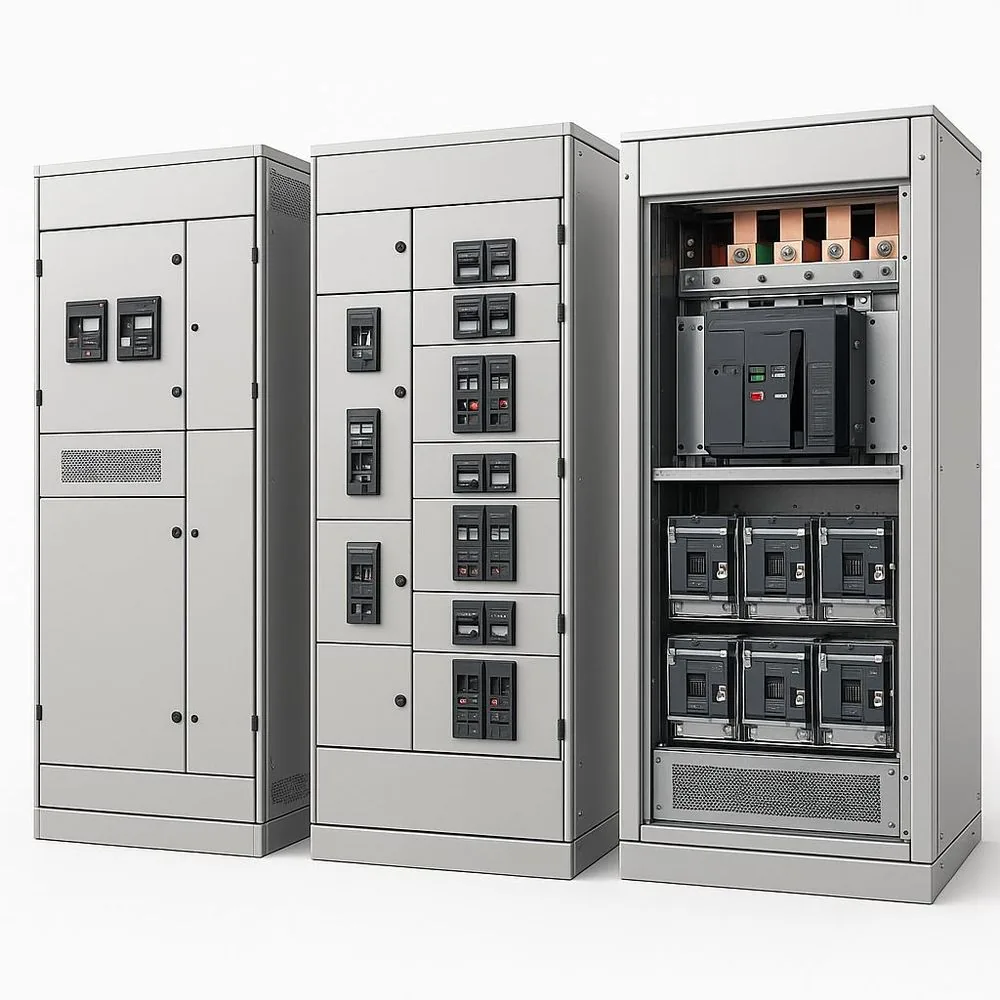
Documented range
Distribute loads and priority circuits with an arrangement suited to operation and maintenance.
Fixed or withdrawable catalogue configurations; define assembly verification documentation.
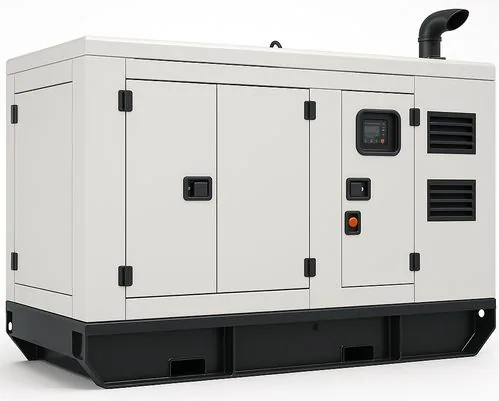
Documented range
Prime or standby supply: assess loads, starting and siting before selecting capacity.
Published range: 0.5–3,550 kVA. Confirm the actual duty and offered rating.
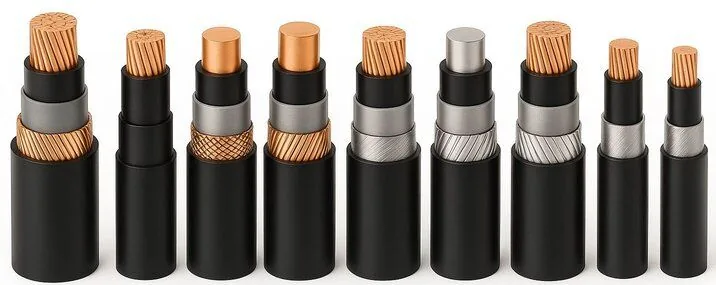
Documented range
Copper or aluminium power connections; assess U0/U/Um, laying conditions and accessories together.
Published classes: 6/10 to 18/30 kV. Do not assume suitability for a 33 kV network without validation.
EPRA’s March 2024 Kenya National Distribution Grid Code covers connection applications and technical assessment. It addresses protection, electrical diagrams, testing and commissioning, together with IEC or equivalent Kenyan equipment standards. Provide Kenya Power’s requirements and the load data before finalizing the installation layout. Refrigeration, groups of motors or connected generation can affect the information and studies needed at the connection point; the project requirements determine the appropriate equipment configuration.
Organise your technical dossierPossible applications, not completed T Afrik project references.
Tea or coffee processing: motor and process-line supplies, with transformation and distribution boards matching the load breakdown.
IndustriesServicesDairy processing and storage: distribution for refrigeration, pumping and packaging, with backup circuits identified.
IndustriesServicesHorticultural facility: compact substation or MV/LV distribution for cold rooms, sorting and packing, according to the site capacity and layout.
IndustriesServicesConfirm the connection voltage and capacity with Kenya Power. Then select the transformer ratio, equipment rating and protection for that particular point.
Prepare the operator’s requirements, load data, electrical diagrams and the protection, testing and commissioning information required by the applicable distribution code.
Sources checked on 9 October 2026
Specify weights, dimensions, port, final site, lifting and origin/transport documents. Packing, service and timing depend on the shipment. An Incoterm needs its named place and version; FCA or DAP are options to agree, not universal terms. Check ISPM 15 for regulated raw wood packaging.
Prepare procurement and logisticsTell us about your application, site and technical constraints to prepare a useful equipment consultation.