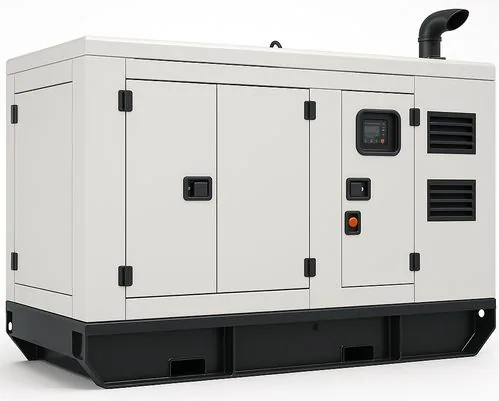
Documented range
Open or enclosed generator sets
Prime or standby supply: assess loads, starting and siting before selecting capacity.
Published range: 0.5–3,550 kVA. Confirm the actual duty and offered rating.

Equipment
Generator sets supply electricity; motors convert electrical energy into motion. Operating profiles and site conditions matter alongside rating. Selection begins with actual loads and expected operation.
Request a quotation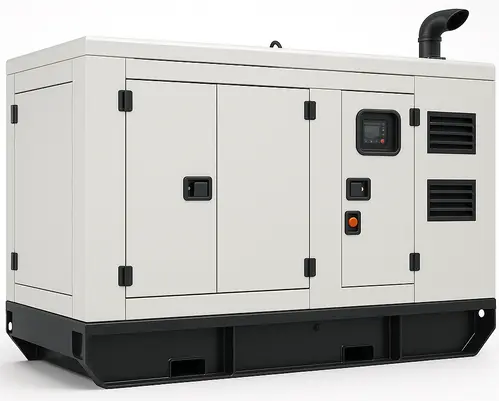
Documented range
Prime or standby supply: assess loads, starting and siting before selecting capacity.
Published range: 0.5–3,550 kVA. Confirm the actual duty and offered rating.
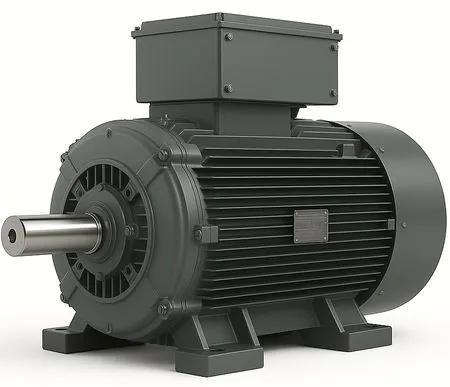
Documented range
Pumps, fans and compressors: specify speed, torque, starting and service conditions.
Published voltage range: 1–11 kV. A motor cannot connect directly to every MV incomer.
Priority loads and transfer and restoration arrangements must be defined.
Extended operation needs a clear duty, maintenance plan, fuel arrangements and environment.
Driven-machine torque, speed, starting and control determine the requirement.
Adding ratings is insufficient for sizing. Starting transients, non-linear loads and acceptable variations need assessment with manufacturer data.
These configurations describe equipment families. Availability, specifications and applicable standards must be confirmed for the selected equipment and project.
A load list, starting assessment and duty definition are essential; a short factory description is insufficient.
Check speed, torque, mounting, supply, environment and control compatibility as well.
Tell us about your application, site and technical constraints to prepare a useful equipment consultation.