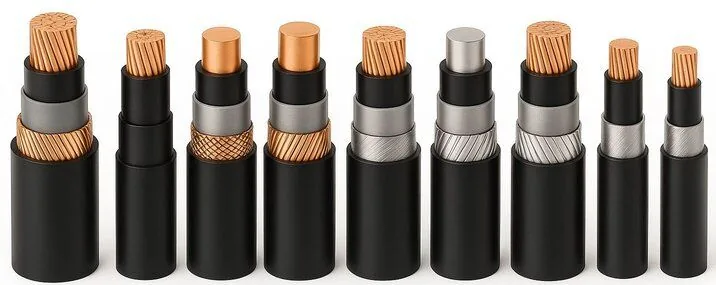
Documented range
XLPE-insulated MV cables
Copper or aluminium power connections; assess U0/U/Um, laying conditions and accessories together.
Published classes: 6/10 to 18/30 kV. Do not assume suitability for a 33 kV network without validation.

Equipment
Power cables connect equipment under electrical, thermal and mechanical constraints. Size and voltage do not fully define the requirement. Laying conditions and connections need coordinated description.
Request a quotation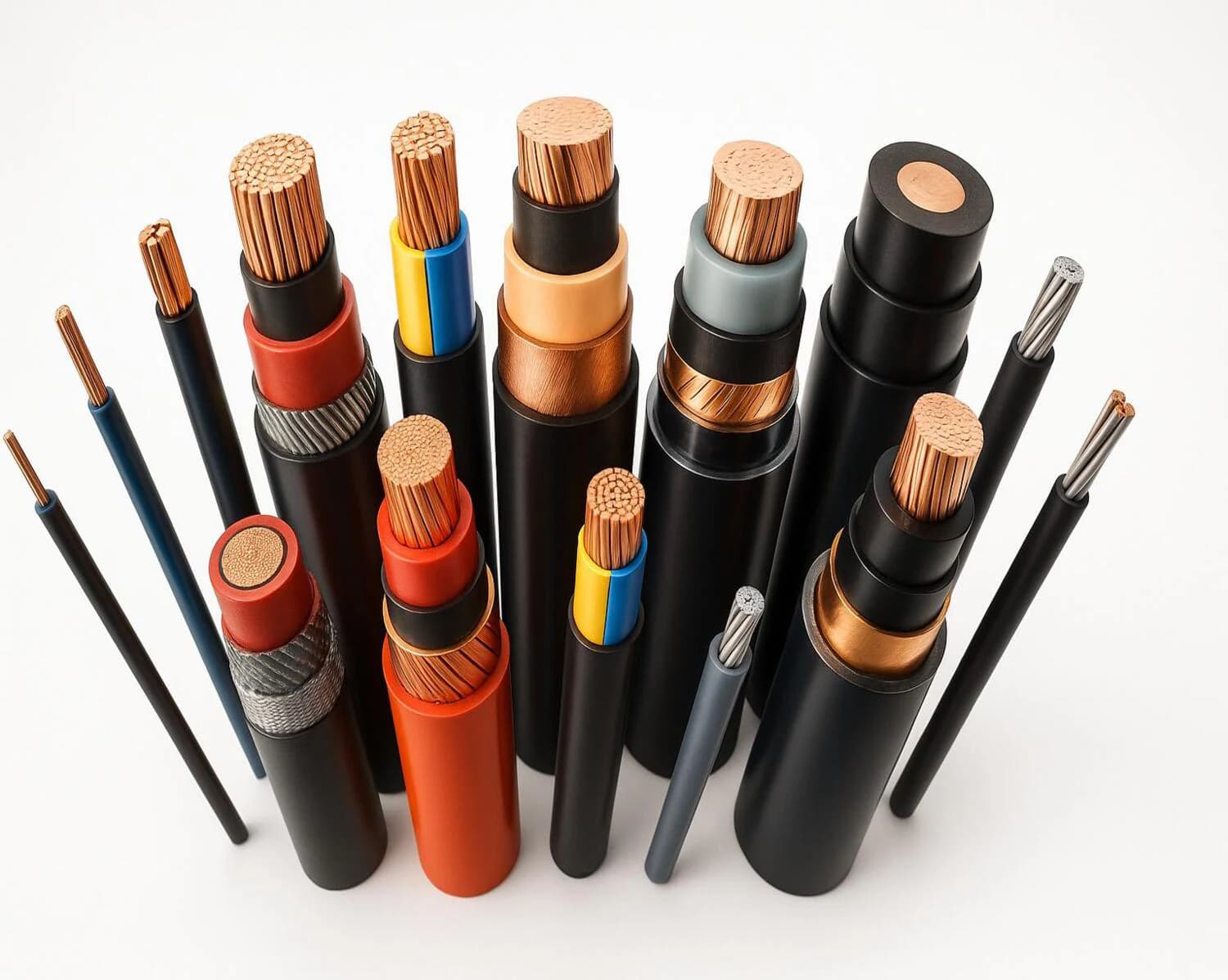
Documented range
Copper or aluminium power connections; assess U0/U/Um, laying conditions and accessories together.
Published classes: 6/10 to 18/30 kV. Do not assume suitability for a 33 kV network without validation.
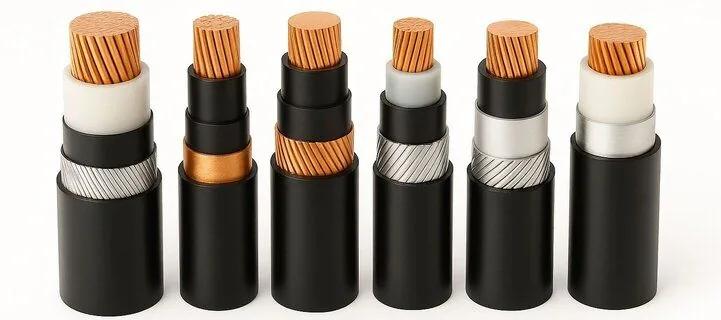
Documented range
Cable family for HV networks and connections; dedicated cable, joint and termination assessment.
Reference catalogue: 36 kV and above. Exact reference and insulation class require consultation.
Conductor, insulation, screen and sheath must suit the network and route. Specify insulation in the dossier.
Dedicated network, installation and accessory studies define supply boundaries.
Conductors, protective devices and laying methods influence selection.
Ampacity and voltage drop depend on installation. Check fault withstand and mechanical requirements. Conductor size alone does not establish accessory compatibility.
These configurations describe equipment families. Availability, specifications and applicable standards must be confirmed for the selected equipment and project.
Include voltage, length, laying method, environment and connections.
Match exact cable construction and dimensions with the equipment interface.
Tell us about your application, site and technical constraints to prepare a useful equipment consultation.