Documented range
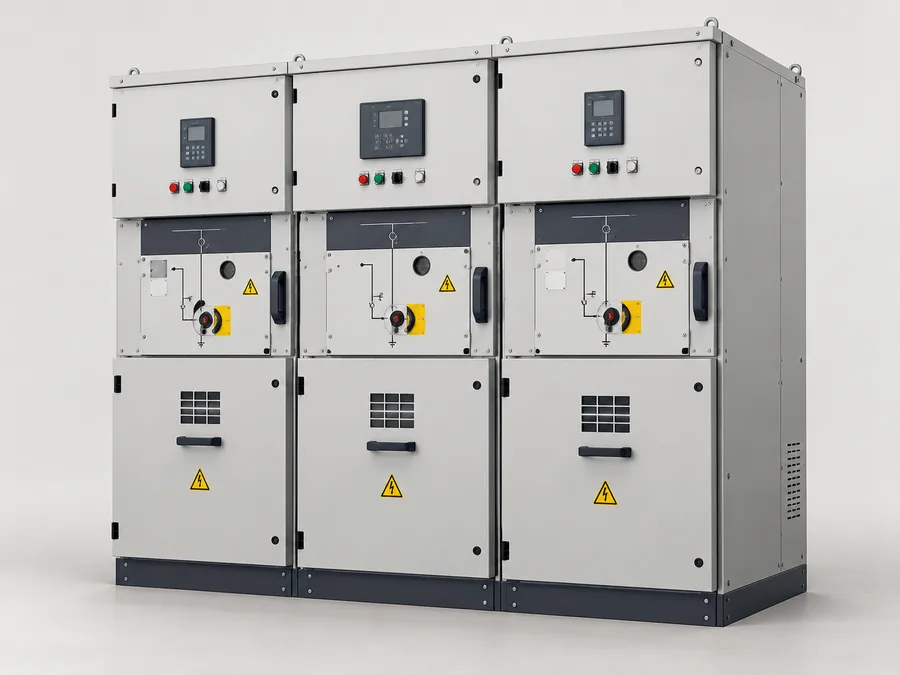
Air-insulated MV switchgear
Incomers, feeders and transformer protection: define board functions and configuration.
Published rated voltages: 12 / 24 / 36 / 40.5 kV.

East Africa and the Indian Ocean
Ethiopian industrial zones include textiles, leather, construction materials and mixed manufacturing. Electrical enquiries should identify the particular factory and its serving network, especially around Addis Ababa or along the Dire Dawa axis. For a new building or an extension, the load breakdown, installed equipment and available capacity provide the basis for selecting MV switchgear, transformers and distribution boards. This approach also makes the interface between the factory’s installation and the network operator clear.
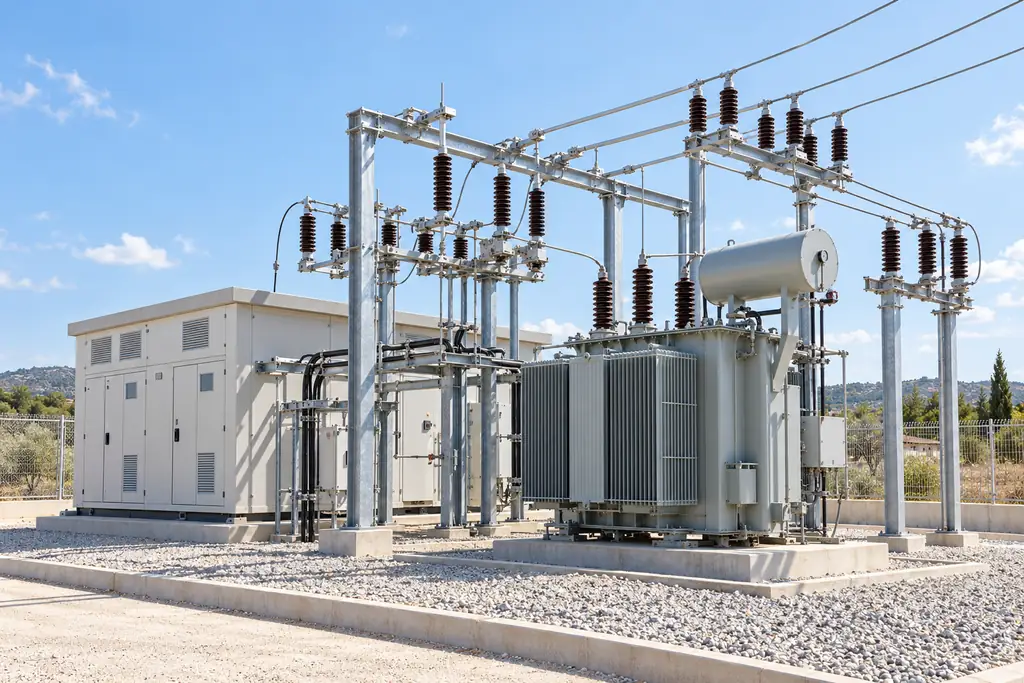
Documented voltage levels
15 / 33 kVNetwork counterpart
EEU — Ethiopian Electric Utility; EEP — Ethiopian Electric PowerJICA’s August 2017 survey describes 15 and 33 kV distribution in the Addis Ababa Capital Region. A recent Ethiopian Electric Utility announcement also identifies feeders at both voltages in Bole Beshale. These sources establish actual examples rather than an exhaustive national list. Identify the distribution interface with EEU and, for upstream-network works, the relevant EEP interface. Feeder voltage, available capacity and existing protection must still be checked for the proposed connection.
The reference catalogue includes AIS and RMU classes 12, 24 and 36 kV, and AIS up to 40.5 kV. For nominal 30 or 33 kV networks, examine the 36 kV option against maximum voltage, insulation, current and fault constraints. A 24 kV class does not cover a nominal 30 kV network; 36 kV does not cover 66 kV. Cable U0/U/Um markings require separate validation.
EquipmentEthiopia relies on inland logistics chains from neighbouring seaports. In May 2026, the World Bank described Modjo Dry Port as a major entry point for goods arriving through Djibouti port. An electrical-equipment shipment therefore needs a plan covering the full route to the Ethiopian site, including any dry-port handling and inland transport. The factory’s location, successive lifting operations and the receiving facilities at the construction site all influence that plan.
Configurations are adapted from the Imperium catalogue verified for this version. Confirm the actual reference, documents and availability in the offer; local approval is not automatic.
Documented range
Incomers, feeders and transformer protection: define board functions and configuration.
Published rated voltages: 12 / 24 / 36 / 40.5 kV.
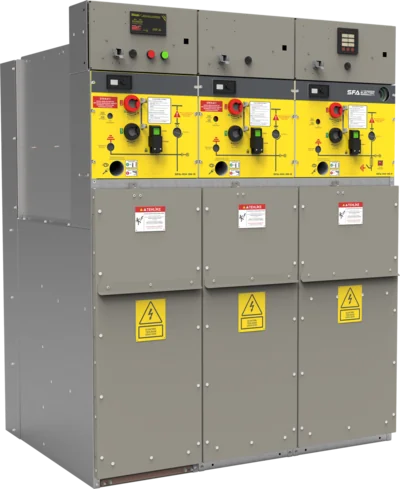
Documented range
Compact ring-distribution configurations; define switching and protection duties.
Published rated voltages: 12 / 24 / 36 kV. Reference catalogue uses SF6 technology.
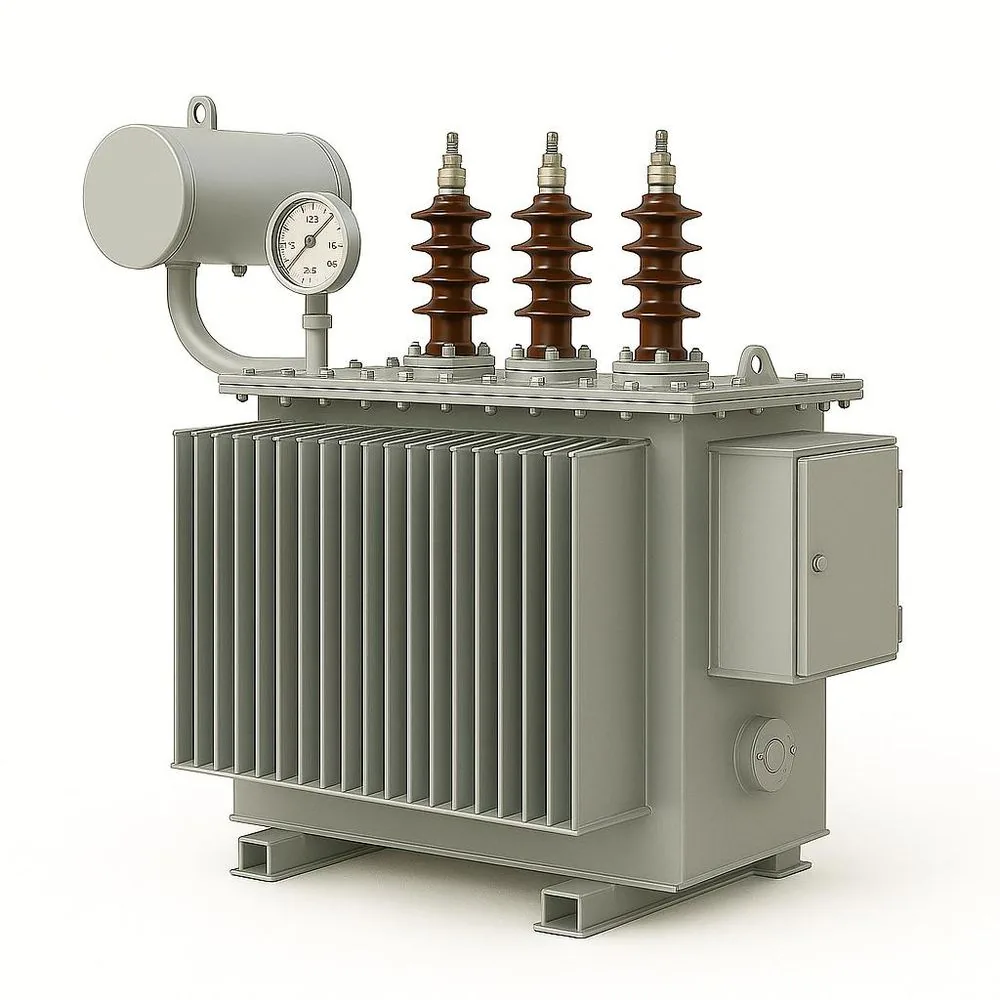
Documented range
MV/LV transformation with liquid insulation and cooling; project-specific connections and siting.
Published range: 25–2,500 kVA; primary 3.3–36 kV. Agree actual model values.
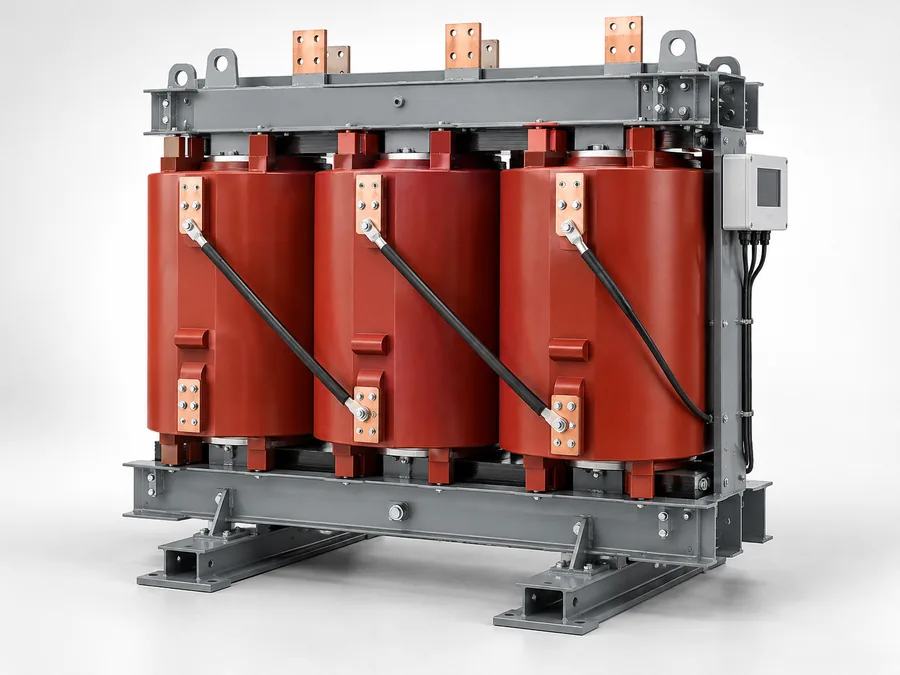
Documented range
A transformation option to assess against room conditions, ventilation and safety requirements.
Published range: 100–3,150 kVA; primary 3.3–36 kV.
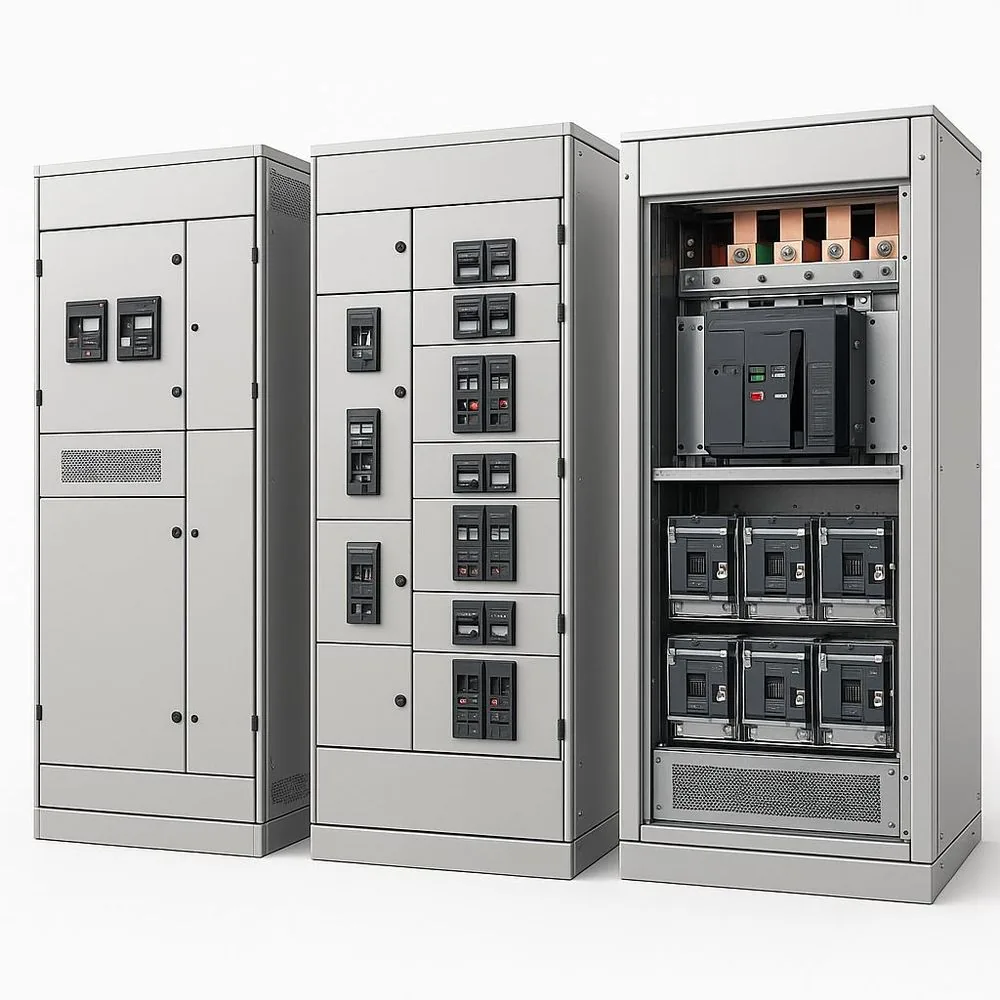
Documented range
Distribute loads and priority circuits with an arrangement suited to operation and maintenance.
Fixed or withdrawable catalogue configurations; define assembly verification documentation.
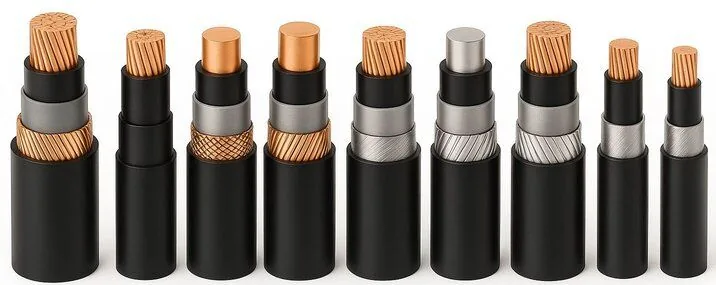
Documented range
Copper or aluminium power connections; assess U0/U/Um, laying conditions and accessories together.
Published classes: 6/10 to 18/30 kV. Do not assume suitability for a 33 kV network without validation.
Start an industrial enquiry with the network operator’s requirements and the electrical interfaces of the park or factory. JICA’s regional survey discusses equipment planning and installation criteria, providing dated context rather than current project approval. Replacing 15 kV switchgear, adding a 33 kV feeder and extending an installation behind an existing transformer need different specifications. Provide the single-line diagram, EEU connection information and updated installation constraints before fixing the equipment configuration.
Organise your technical dossierPossible applications, not completed T Afrik project references.
Textile or leather factory in an Addis Ababa zone: transformers and LV boards for production lines, ventilation and auxiliaries, with separate outgoing circuits.
IndustriesServicesConstruction-materials manufacturing at Arerti: industrial distribution built around actual process and motor loads.
IndustriesServicesIndustrial site or logistics facility at Dire Dawa: MV switchgear and cables for expandable supply, coordinated with the site’s electrical interfaces.
IndustriesServicesThey are documented for Addis Ababa and particular EEU feeders. They do not replace confirmation of the current connection voltage at your factory.
Identify the intended seaport, any dry port, final address and receiving arrangements. Djibouti–Modjo is documented, but the chosen route depends on the site and transport plan.
Sources checked on 9 October 2026
Specify weights, dimensions, port, final site, lifting and origin/transport documents. Packing, service and timing depend on the shipment. An Incoterm needs its named place and version; FCA or DAP are options to agree, not universal terms. Check ISPM 15 for regulated raw wood packaging.
Prepare procurement and logisticsTell us about your application, site and technical constraints to prepare a useful equipment consultation.